Art for the future

The Dutch collector Helene Kröller-Müller (1869–1939) purchased six paintings, a drawing, and hand-colored etchings by James Ensor after World War I. Her dream was to house Ensor’s works in a museum “for the benefit and enjoyment of the public,” alongside an unparalleled collection of paintings by Vincent van Gogh, Odilon Redon, Georges Seurat, Pablo Picasso, Piet Mondrian, and many others.
In search of depth
As the daughter of Wilhelm Müller, a German businessman, Helene was destined to become a merchant’s wife. Art held no value in the environment in which she grew up. It is therefore unsurprising that she married a younger business associate of her father, Anton Kröller. The couple first lived in Rotterdam with their four children and later moved to The Hague. The 36-year-old Helene grew bored there. She was restless. Her children did not follow the paths she had charted for them with high expectations. Hockey and horseback riding were her favorite pastimes, but she also sought depth. She had already rejected religion. What else was left?
Her sixteen-year-old daughter heard enthusiastic stories from all sides about the art connoisseur Hendrik P. Bremmer (1871–1956). He traveled across the Netherlands like an art pope, giving lectures to teach his audiences how to understand art. Intrigued, Helene decided to attend one of his talks. Bremmer struck the right chord with her. He taught her to find fulfillment in art, especially in the art of her own time.
Not only did Helene blossom into an art lover and collector after the encounter, but Anton also proved unstoppable. Bremmer became an advisor to the Kröller-Müllers, although the headstrong Helene did not follow his advice blindly. Nevertheless, Bremmer persuaded her to invest in the work of Vincent van Gogh. She ultimately assembled the second-largest Van Gogh collection in the world.
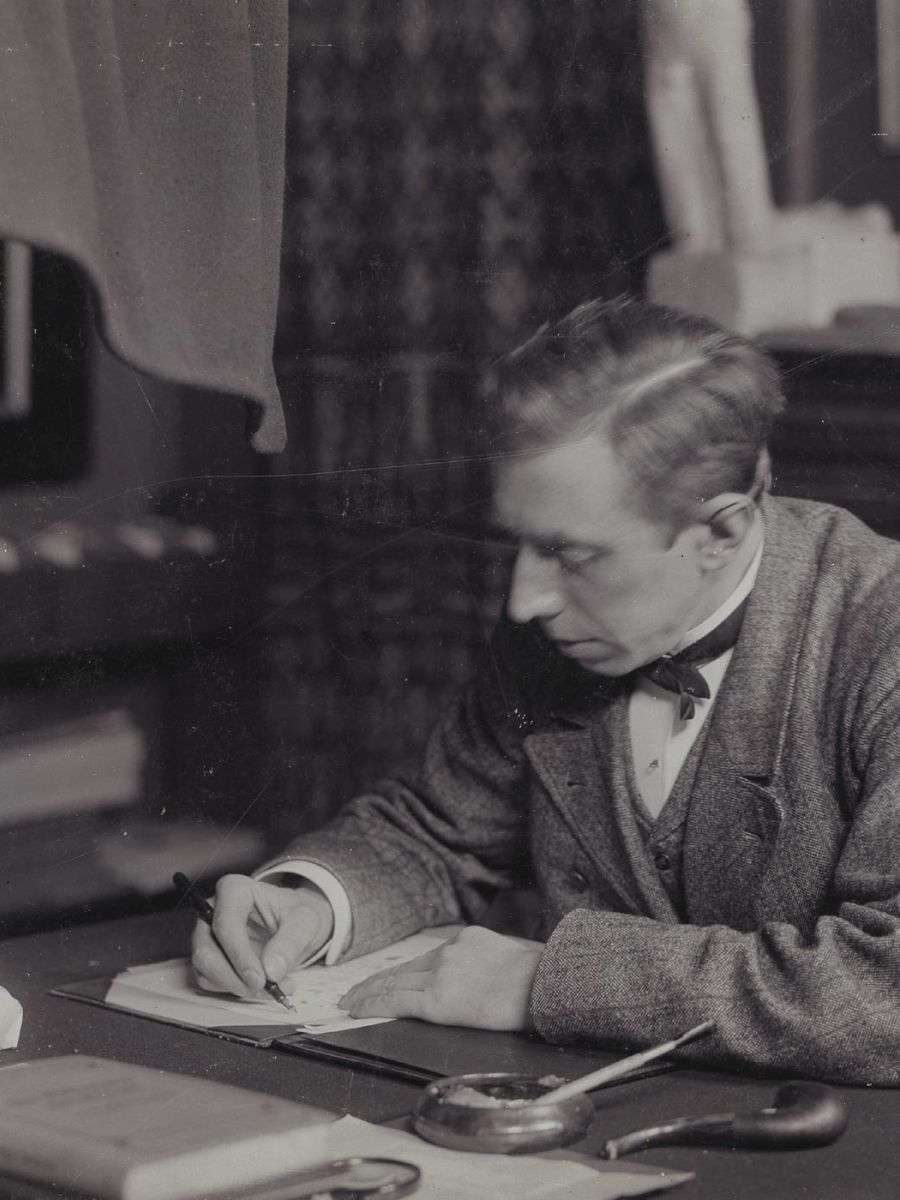
© Museum Kröller-Müller - Art pope H.P. Bremmer
A museum dream
In 1911, Helene had to undergo a life-threatening procedure on her uterus. She decided that her husband should donate the art collection to a Dutch museum if she did not survive. She recovered, but the dream of founding a museum of modern art remained alive.
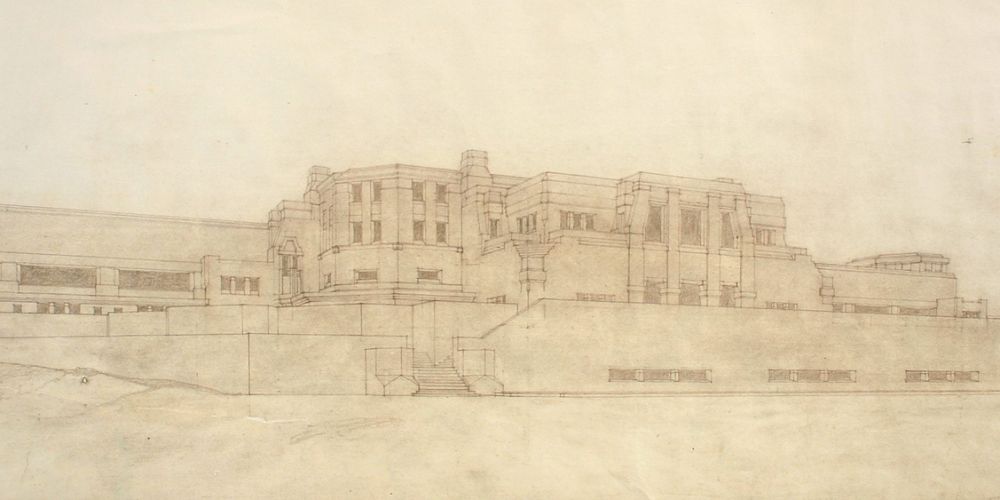
Design for ‘Het Groote Museum’, Helene’s dream, based on a design by Henry Van de Velde - © Museum Kröller-Müller
Helene asked Henry Van de Velde to design a plan for a monumental museum building, “for the benefit and enjoyment of the public.” She wanted to give visitors a clear overview of the development of modern art. It was to be located in the heart of the Kröller-Müllers’ vast natural estate in the Hoge Veluwe. Due to her interfering nature, the Dutch architect De Berlage had already left the project.
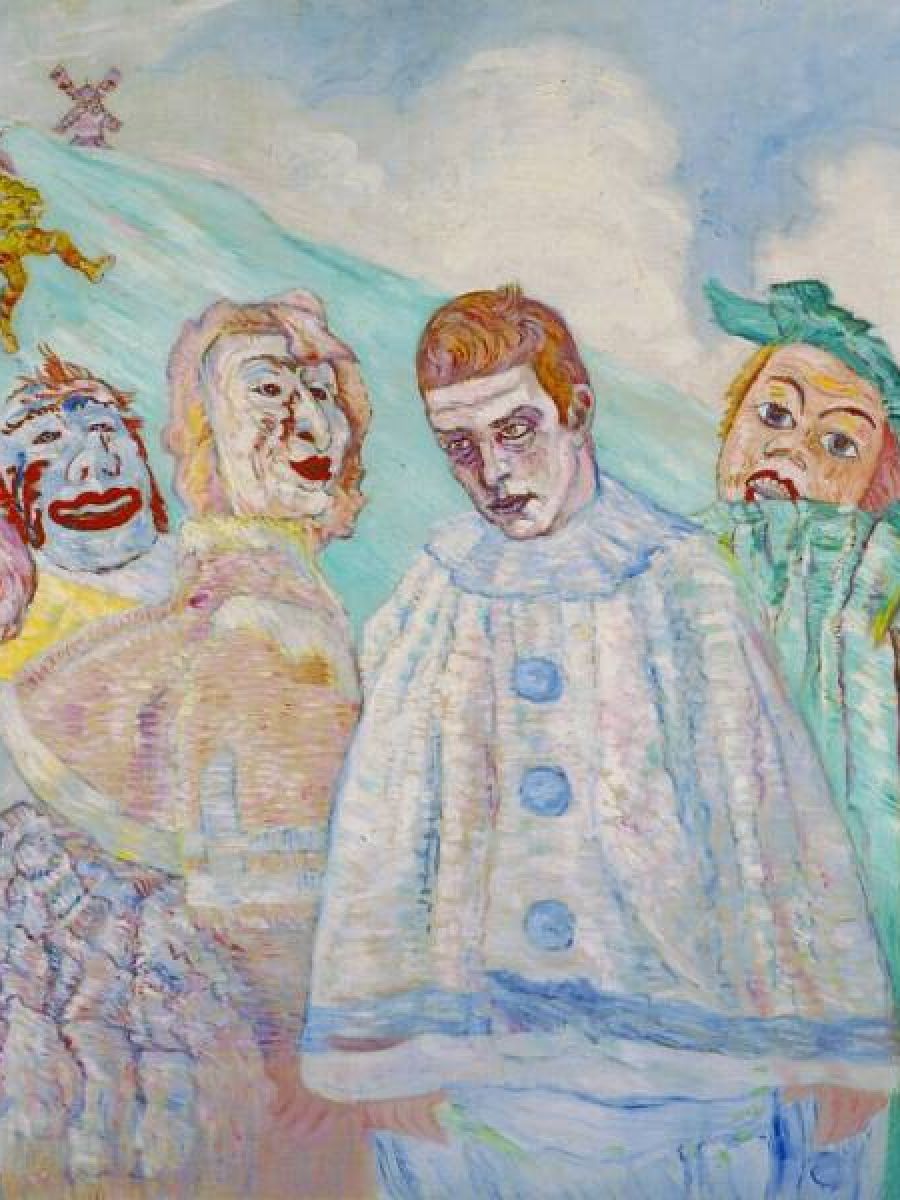
© Museum Kröller-Müller - James Ensor’s The Sad Pierrot from 1921 finds its way into Helene Kröller-Müller’s collection.
Ensor acquisitions
Helene also involved Van de Velde in her art acquisitions. In 1924, he visited his old friend James Ensor to mediate the purchase of Pierrot and Skeleton in Yellow (1893). Ensor was reluctant to part with the work, but that did not prevent Helene from eventually acquiring six paintings, a drawing, and hand-colored etchings by Ensor. Sometimes with Van de Velde’s intervention, sometimes directly from Ensor himself. Ensor met her high standards, as he created art “that would withstand the test of time.” When Helene presented a best-of selection from her collection in Düsseldorf in 1928, the Ensors were included.
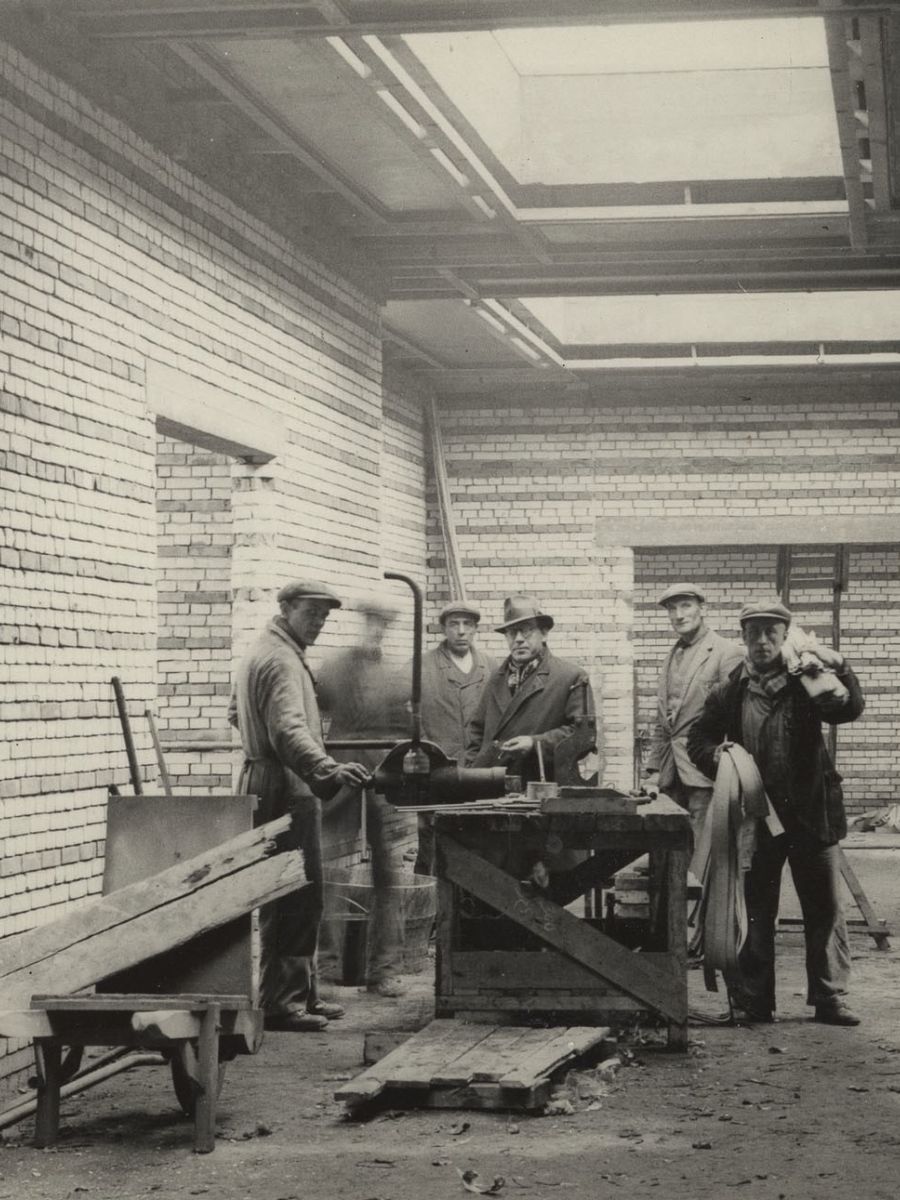
© Museum Kröller-Müller - Construction of the ‘transitional museum’ based on a design by Henry Van de Velde. It became a permanent fixture and can still be visited today as the Kröller-Müller Museum.
A gift to the State of the Netherlands
Helene ultimately had to set aside her dream of a large museum of modern art due to poor management and economic setbacks. The Kröller-Müllers did, however, manage to quickly place the art collection into an independent foundation, ensuring it would not fall into the hands of creditors. Eventually, in 1935, they donated the artworks to the State of the Netherlands. Henry Van de Velde continued working to build a small, temporary museum in Otterlo—a “transitional museum.” There, Helene, as museum curator, would spend her final years until 1939. It can still be visited today as the Kröller-Müller Museum. Helene’s dream was realized, albeit indirectly, with Van Gogh and Ensor side by side.


