Jozef Peeters & Michel Seuphor: Best Friends Forever

Titan 1: Jozef Peeters
Antwerp, 1921. Jozef Peeters (1895–1960) is one of the pioneers who introduces radically modern art to the city on the Scheldt. He does so through his own work — abstract and geometric — which he continually refines in oil paint, watercolour, printmaking techniques and letter design. A little later, he also begins designing furniture, everyday objects and interiors, and he even weaves tapestries in his own studio.
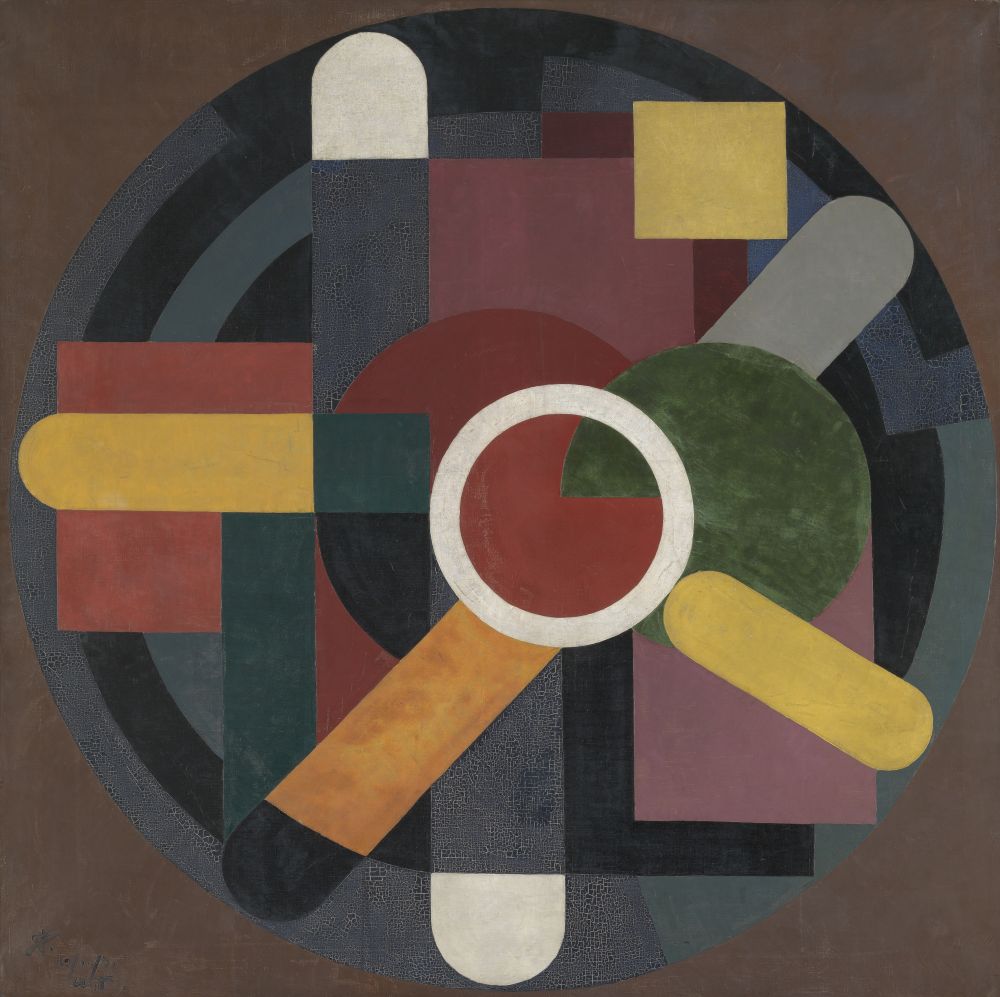
Composition - Jozef Peeters, KMSKA
Peeters is a leading figure with a mission. He believes that artists are the carriers of the modern worldview. In 1918, together with a group of like‑minded artists and architects, he founded the Modern Art circle. The group aims to promote its artistic vision through lectures, international exhibitions and congresses.
Jozef Peeters organises these congresses himself and also invites foreign guest speakers. In a short time, he builds up a substantial network. He corresponds with pioneers of various international movements, with Filippo Tommaso Marinetti, the father of Futurism in Milan, for example, but also with painter Theo van Doesburg, who uses his magazine De Stijl to capture the Dutch art scene.
Titan 2: Michel Seuphor
Michel Seuphor (1901-1999) is just a little younger than Jozef Peeters, but equally a multitalent. He makes his debut as a poet in 1919. In addition, he is a painter, draughtsman, essayist, art historian, critic and leader.
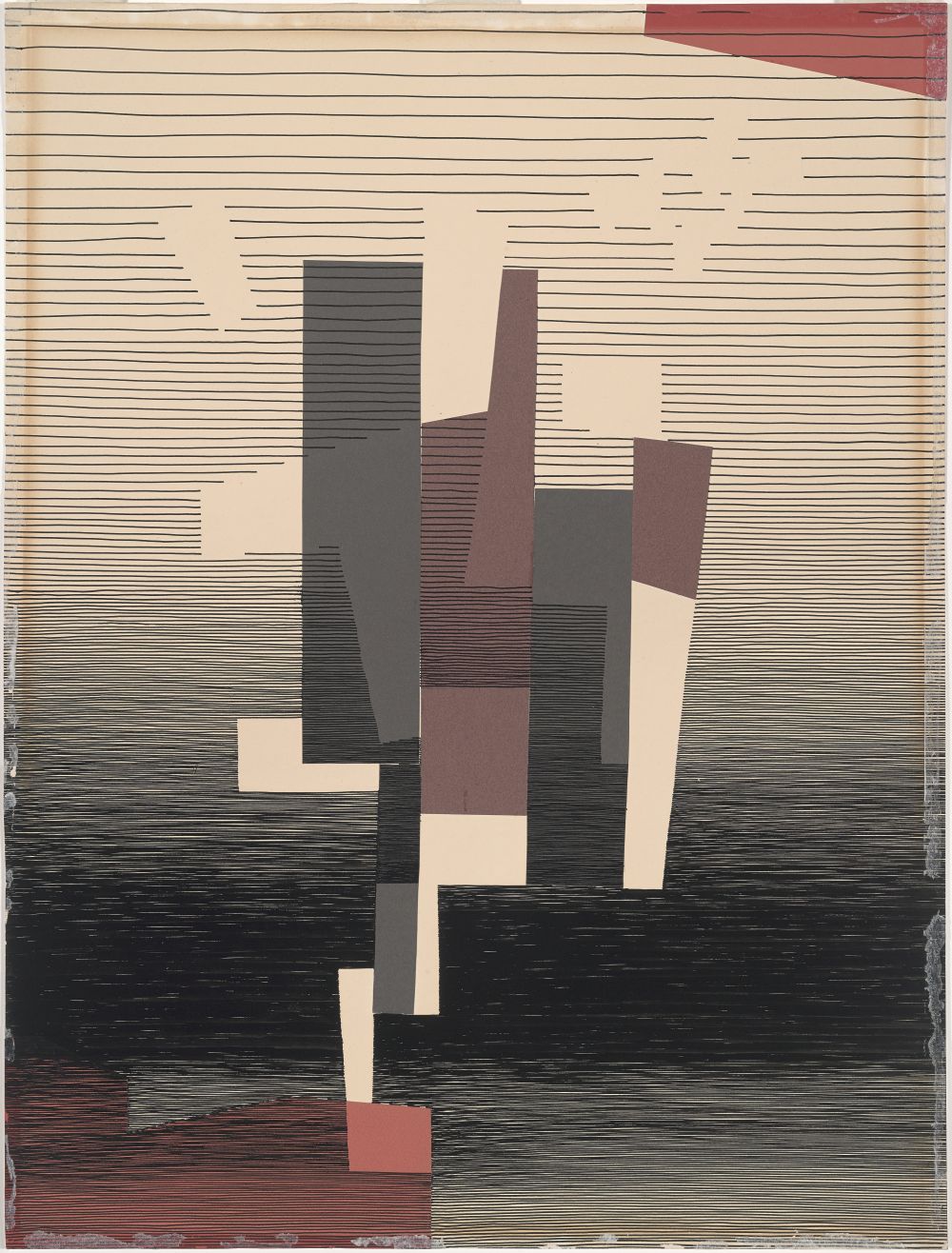
San Gioco Maggiore - Michel Seuphor, KMSKA
For the arts, the post‑war period is one of turbulent confusion. Manifestos follow one another at great speed, and shifting opinions find their way into a wide range of magazines. Friendships are forged, broken and mended again. Disagreements may revolve around the meaning of a single word, such as ‘community art’, or around the rules to be followed within a particular movement.
Within that context, Michel Seuphor launches a new magazine in the early 1920s: Het Overzicht, originally a Flemish‑minded publication. Just when Seuphor is considering ending the magazine, he meets Jozef Peeters at a lecture by Theo van Doesburg at the Antwerp Atheneum.
Together: invincible
Michel Seuphor asks Jozef Peeters to become co‑director of Het Overzicht. The division of tasks is clear: Seuphor takes care of the literary contributions, Peeters of the visual side of things. Under Peeters’ impetus, the magazine grows into the most influential art journal for the Belgian abstract movement.
In 1922, Seuphor and Peeters visit Herwarth Walden, the editor‑in‑chief of the important magazine Der Sturm in Berlin. That visit proves fruitful. Articles from Der Sturm are regularly reprinted in Het Overzicht. Peeters and Seuphor, in turn, actively contribute to a Flemish issue of Der Sturm published in 1924.
Peeters also publishes in other magazines, from Warsaw to Copenhagen, from Bucharest to Lyon. That is not unusual. The many art journals published across Europe maintain an active exchange policy. Artists get to know one another, their views and new (sub)movements through these magazines.
On this creative stage, Het Overzicht gains such a prominent position that renowned international artists like László Moholy‑Nagy and Robert Delaunay submit cover designs. Jozef Peeters and Michel Seuphor grow into key figures of the Flemish avant‑garde. Until Seuphor moves to Paris in March 1925. Peeters quickly establishes a new magazine. With De Driehoek, he manages to build on the momentum of Het Overzicht for a while longer.
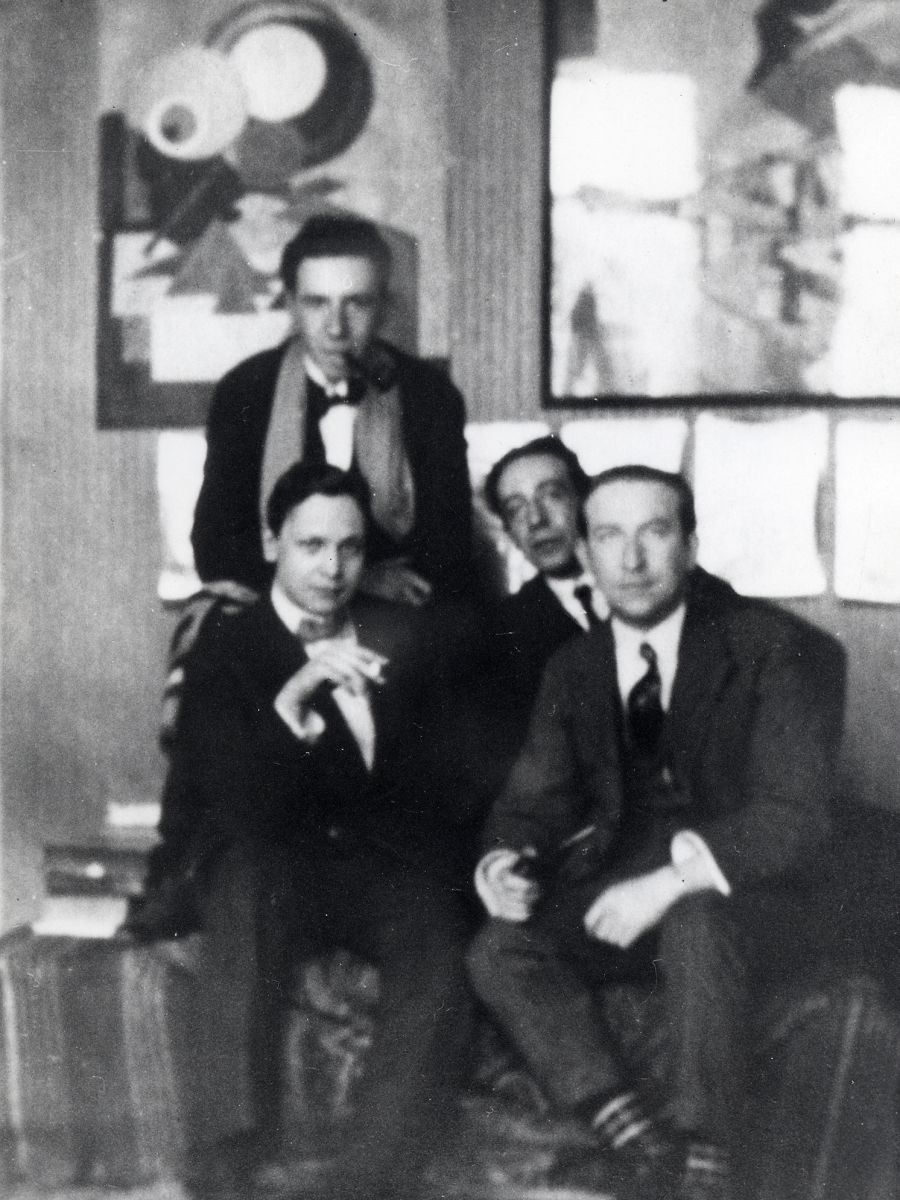
Collection City of Antwerp - Back (standing): Michel Seuphor. Front right: Jozef Peeters.
In the meantime, Jozef Peeters has become a father. In 1925 to Godelieve and at the end of 1926 to Maarten. With the same enthusiasm with which he organised congresses and directed magazines, he now devotes himself to his family.
Surrealism makes its entrance and overshadows the abstract movement. When his wife Pelagie can no longer leave the house due to multiple sclerosis, Peeters also cares for her with dedication. In their rented apartment on the Antwerp quays, he paints each room with abstract colour planes in oil paint. For that apartment, he also designs furniture, from a wheelchair to a small bookcase.

Jozef Peeters and his wife Pelagie - Collection City of Antwerp, Letterenhuis

Jozef Peeters with his children - Collection City of Antwerp, Letterenhuis
Across generations
Jozef Peeters experiences a revival of abstract art shortly before his death in 1960. Five years earlier, after Pelagie’s passing, he had begun painting again. He wrote to Michel Seuphor once more. Seuphor was still active as an advocate of abstract art and, after his friend’s death, developed a special bond with Peeters’ daughter.
Godelieve Peeters is 35 when her father dies, and she will manage his apartment and legacy until her own death in 2009. That she and Seuphor were fond of each other is proven by this 1972 photograph, which held a prominent place in the apartment.
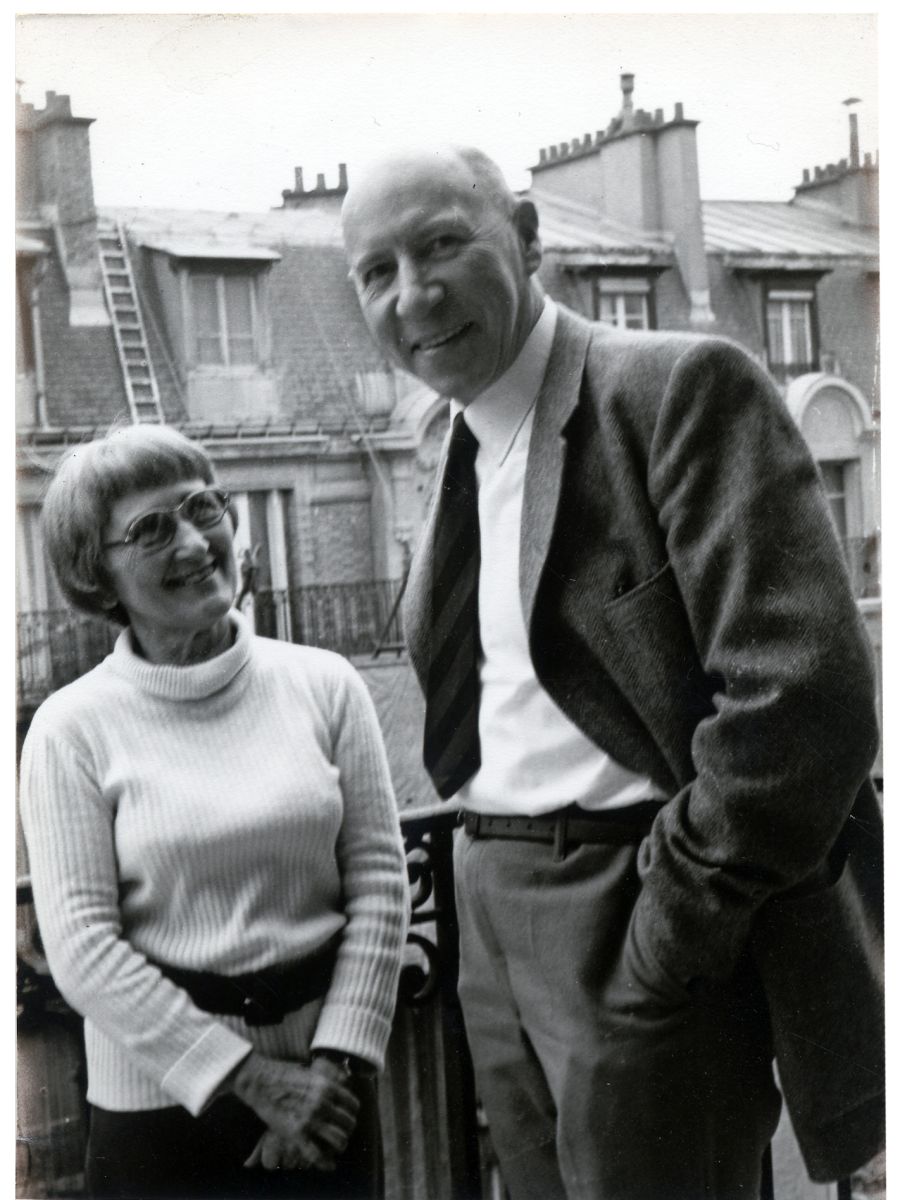
Loving - The inscription reads: to Godelieve Peeters / lovingly / Seuphor / and Suzanne, your second mama – Jozef Peeters Archive, Letterenhuis
Godelieve donates one of her father’s drawings to the museum, and in 1961 the KMSKA purchases his Composition from her. She bequeaths the apartment and all archival materials to the City of Antwerp. The Letterenhuis is responsible for managing both.


